travel_b1p6zj

Journey to Antarctica, February 2026

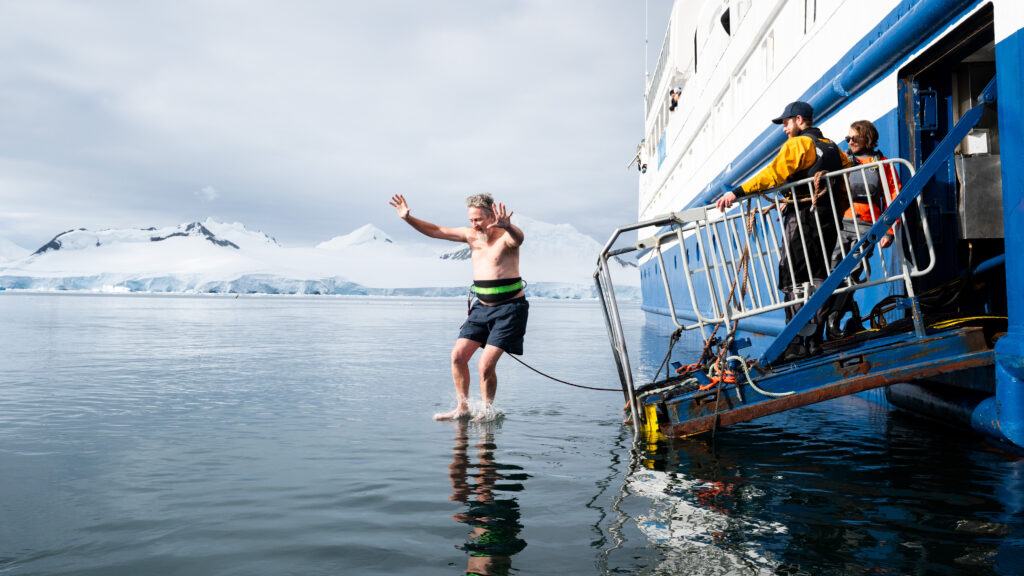
Some journeys stay on the wish list for years. This expedition to the Antarctic Peninsula was one of them — a long-anticipated trip that finally became reality with Antarctica21. Traveling with my friend Leanne, we set out with clear priorities: the smallest ship possible, no Drake Passage crossing, a route that crossed the Polar Circle, and an experience that felt as close to Antarctica as possible.

We chose Antarctica21’s Polar Circle Air-Cruise, a fly-in expedition designed to bypass the notoriously rough crossing and maximize time on the ice. It proved to be exactly the right decision.

https://cdn.prod.website-files.com/66f12032b3f2015fa639ef3e/67470b95880531be402f5f4f_aeb5c8825902aad5b7624b0ad40df193%201.webp

Our home for the trip was the Ocean Nova, carrying just 64 passengers. Small ships mean faster landings, less waiting, and a more intimate atmosphere on board.

The passenger mix was interesting. More than half of the passengers were Israeli travelers on a photography expedition with PhotoTeva, and the rest were an international blend: Chinese (6), Australian (5), British (4), American (3), Canadian (2), Italian (2), Thai (1), German (1). We ended up hanging out with the Canadians the most. The 13 person expedition crew was mostly British or Australian, plus a Kiwi, a Russian and an Argentinian — all excellent guides who clearly loved what they were doing.


Life on Expedition: Landings, Zodiacs, and Ice

Every day followed a similar rhythm:

  • Two excursions per day, about three hours each
  • Either landings on shore or zodiac/kayak explorations
  • Afternoon nap after lunch!

The weather was unusually good. The crew kept saying it was the best they had seen so far that season. Even the guides were constantly taking photos, which felt like a good sign.
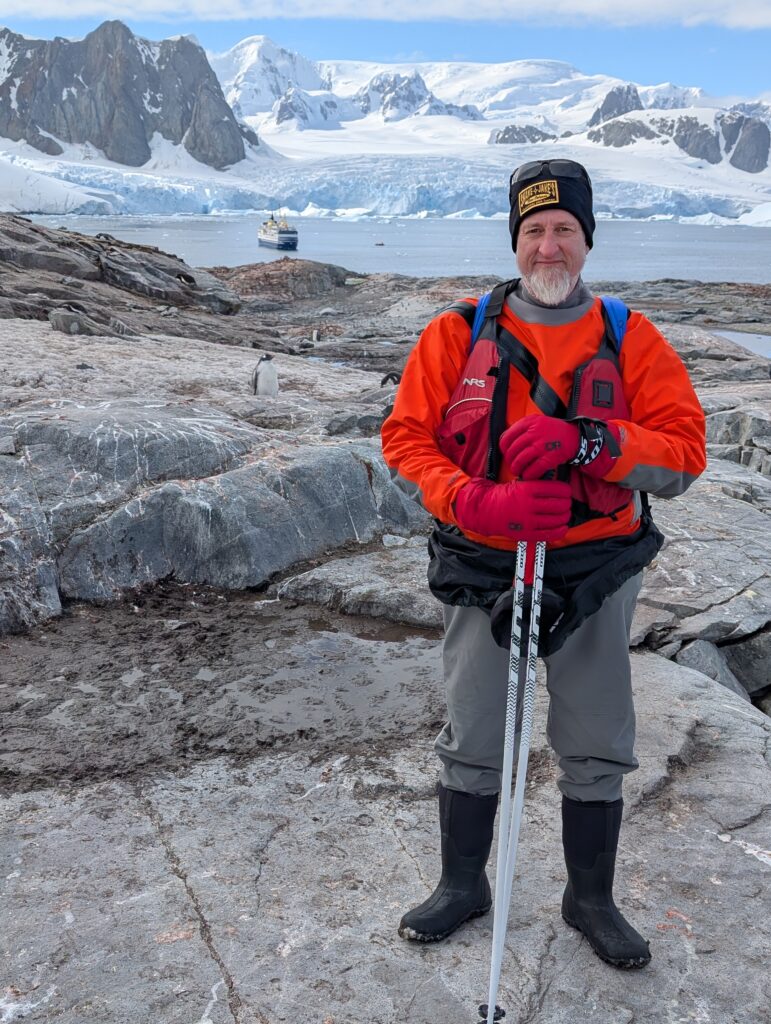
Wildlife Beyond Expectations

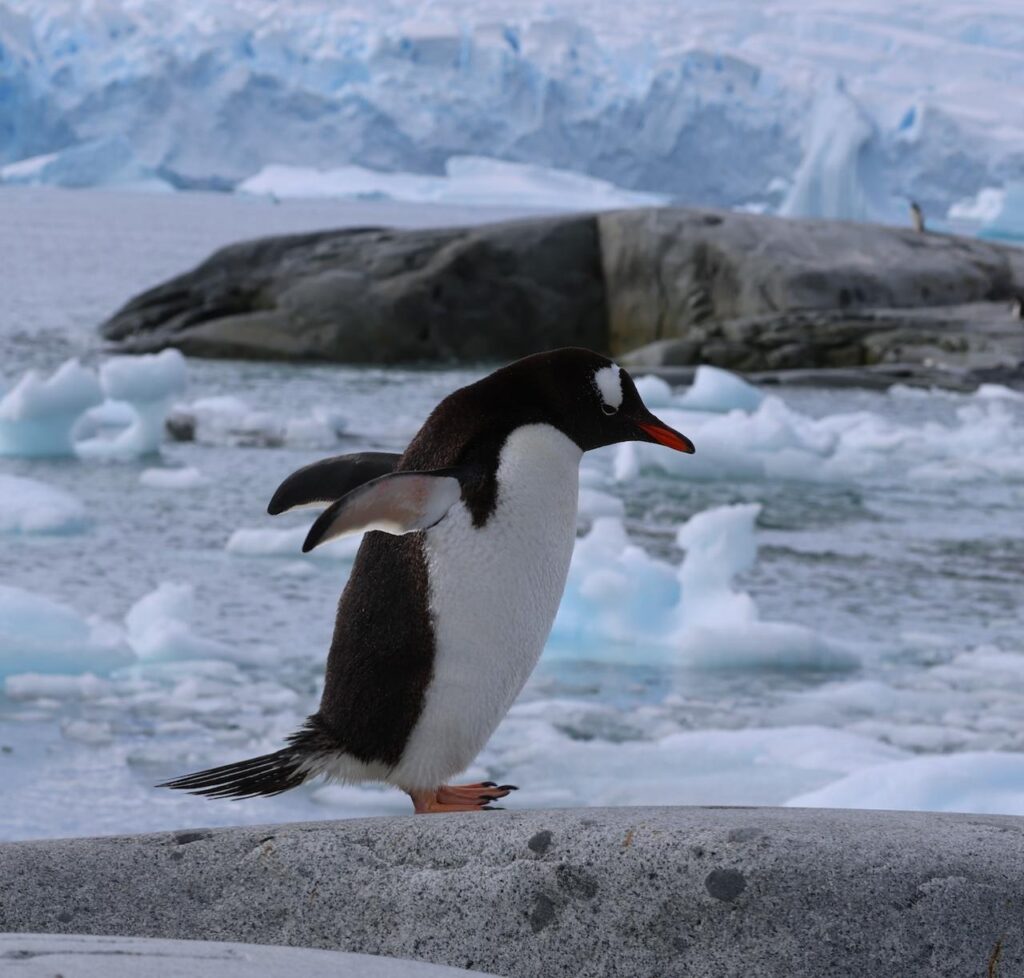
Amazing wildlife every day: 3 types of penguins, 3 types of whales, 4 types of seals, lots of birds, and a rare Antarctica Ribbon Worm.

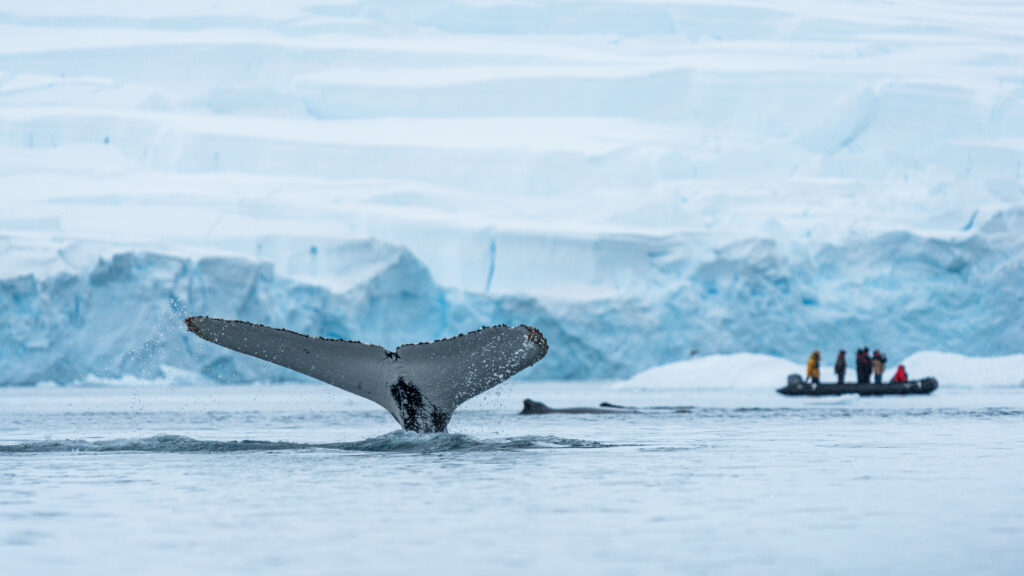
But one outing stands out. We entered a sheltered bay and suddenly realized we were surrounded by humpback whales — 12 of them in total, in groups of 3 (papa, mama, and junior). The guides said it was the most whales they’d ever seen together in one place on an excursion.

The whales surfaced right beside our zodiacs, sometimes close enough to hear their breath, and smell their musk. Penguins were everywhere, darting through the water feeding in the same area. It felt less like watching wildlife and more like hanging out in their world. See the video.
Kayaking in Antarctica

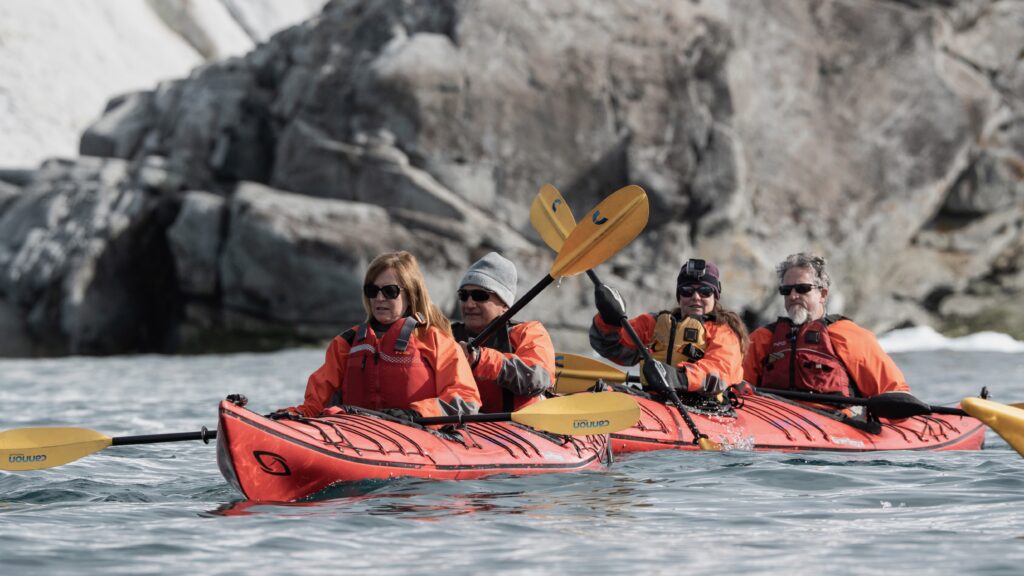
If there’s one piece of advice I’d give anyone planning this trip: Choose a cruise with kayaking.

Gliding quietly through the ice, away from engines and chatter, completely changes the experience. You hear ice crackling, birds overhead, and the soft movement of water against the kayak — moments that feel almost unreal.
A Weather Twist at the End

Antarctica always reminds you who’s in charge.

Toward the end of the trip, forecasts began showing strong winds moving in. The expedition team decided to return early to ensure flights could depart safely. We ended up flying out a day ahead of schedule — a decision that proved wise. The cruise scheduled after ours was canceled because passengers from the previous voyage were unable to fly back. Imagine the disappointment of arriving in Punta Arenas only to have the trip called off!

With the unexpected extra time near Punta Arenas, Antarctica21 arranged a visit to a sheep farm outside the city, which was OK, but not great.

Timing Matters

This season was the last for the Ocean Nova with Antarctica21. Future trips will use slightly larger ships (around 80 passengers), which are reportedly newer and nicer — but also more expensive. Looking back, I’m really glad we did this trip when we did: small ship, intimate atmosphere, and a truly expedition-style feel. But I highly recommend Antarctica21, and their new ships look really nice.

Photos

A full set of photos are here. Most are from my Pixel 8 phone, but a few are from Leanne or one of the guides on a ‘real’ camera’. Its pretty clear which are which, but I got some great shots on my phone. Most of the passengers spent a lot of time seeing Antarctica through the lens of a camera, but I much preferred to use my own eyes.

Antarctica21 also made this amazing video for us. And generated this great “logbook“.

What’s Next?

The obvious question now is: what next? Maybe the Arctic? This ship looks really cool!

Posted by travel_b1p6zj, 0 comments

Trip Summary

Here is a collection of random summary thoughts about the trip.

  • We drove a total of 8400 miles, paid a total of $3000 for gas, with an average price around $6.30, so we averaged around 17 mpg. Not bad. Diesel was $.50 to $1 more than unleaded everywhere we went.
  • We stayed in a lot more campgrounds campgrounds than I expected, and did less boondocking than expected. Maybe 50/50, where I expected to do 80% boondocking. Even though boondocking options were everywhere, campgrounds were cheap (or free), nice, and mostly half empty, so toilet access often won out.
  • We did a total of 15 nights in an AirBNB. It’s important to get out of the van periodically.
  • I was surprised how few bears we saw. Lots of moose though.
  • Mosquitos were way less of a problem than expected, and flies more of a problem. Mosquitos were really only bad the last 3 weeks of June, and small flies that liked to land on your eyes were everywhere. The head net was very useful for both.
  • It seemed like it rained 2 out of every 3 days in June/July. We had been warned about this, but it did get old.
  • There were a lot of Unimog-based campers with German plates. Why do the Germans like these crazy vehicles, which are completely unnecessary in Alaska? I talked to one of the owners, and they said they all ship them from Hamburg to Halifax, and it’s not that expensive to ship them.

Here are some of my favorite photos of the trip.

Thats all for now. Till the next trip….

We saw many of these crazy campers with German plates

Posted by travel_b1p6zj, 0 comments

Week 17: Banff National Park, Alberta

The final ‘destination’ for the trip was Banff National Park in Alberta. We spent two nights at a campground at Lake Louise, and two nights at a campground in the town of Banff. Both campgrounds were huge and unremarkable, but well located.

The park is crowded and parking difficult, so the E-bike was very useful. I did a bike ride to Lake Louise, which I think is overrated, and to Lake Moraine, which I found amazing.

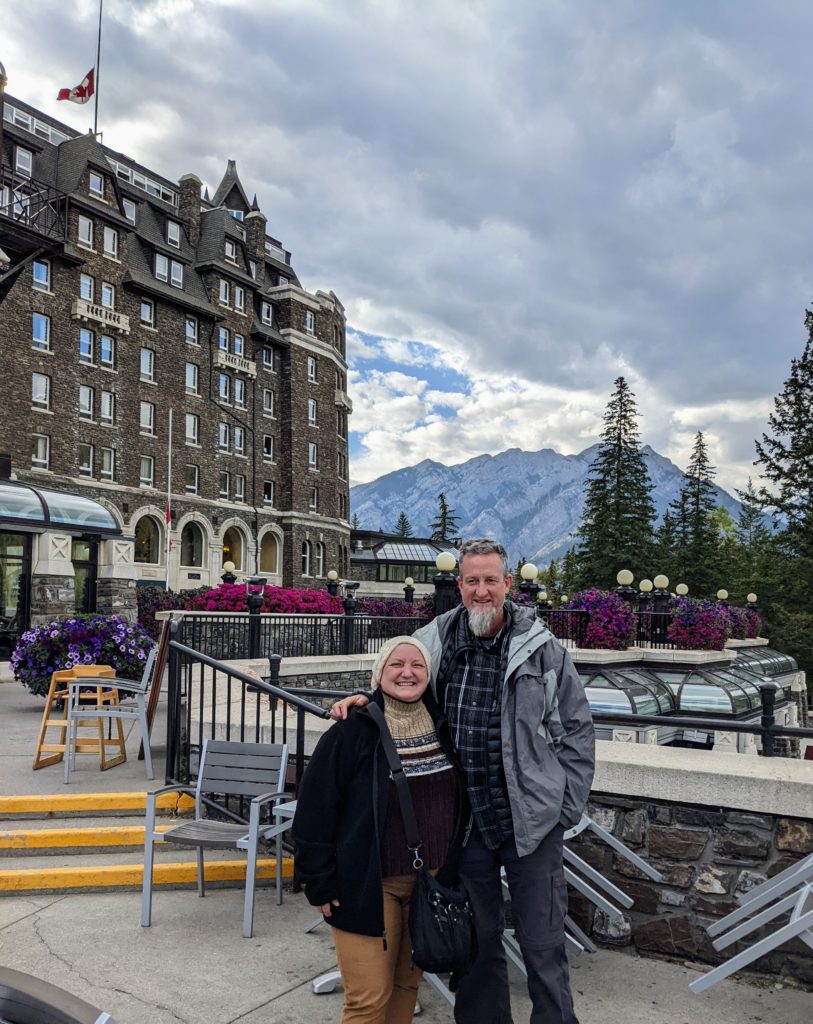
We also had cocktails at the iconic Fairmont Hotel in Banff. Expensive of course, but excellent. The coffee bean infused Negroni was exceptional.

Overall I liked Jasper a lot better than Banff, but Banff is certainly very picturesque. But it is also more touristy and Epcot center-like.

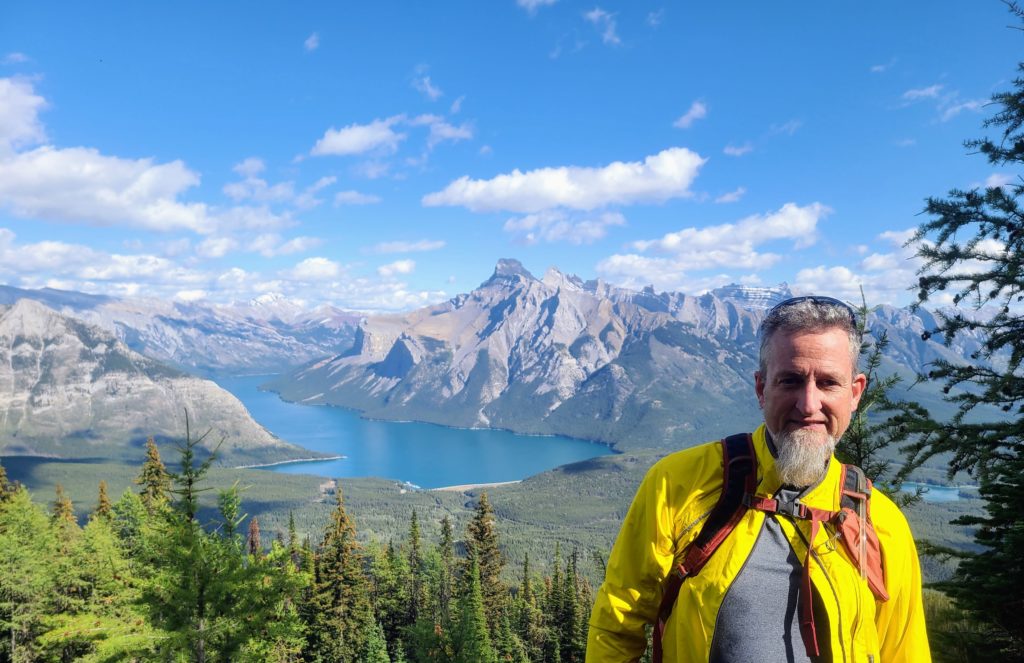
Hikes in the Banff region included the Parker Ridge Trail, (one of my favorite hikes in Canada), the Bow Glacier Falls Trail, and the C-Level Cirque hike. All are highly recommended.

The full set of photos for the week is here. There are probably too many photos for this week, but Banff is very photogenic.

After Banff we had two smokey days of driving to get Christine to Spokane to fly to New Orleans, after which I had three long driving days to Navarro California for the “Camp Deep End” music festival.

View from Parker Ridge Trail
Bow Lake Trail
Outside the Fairmont in Banff
View from the top of the C-Level Cirque Trail
Lake Moraine

Posted by travel_b1p6zj, 0 comments

Week 16: Jasper National Park, Alberta

It was time to do laundry and get out of the van for a few days, so we booked an AirBNB for 5 nights in Hinton, which is about 30 minutes from the border of Jasper national park (Rooms in the town of Jasper were crazy expensive or booked). I did a day trip into Jasper from Hinton to do the Sulphur Skyline Trail followed by a soak in Miette Hot Springs. Then I went down to Jasper to grab a campsite before the labor day holiday weekend (they do labor day in Canada too). I went back and picked up Christine 2 days later–she had been enjoying the lovely sunsets in Hinton. Jasper has several smaller campgrounds that are ‘first come first served’, so if you arrive around 10am you can get a great spot.

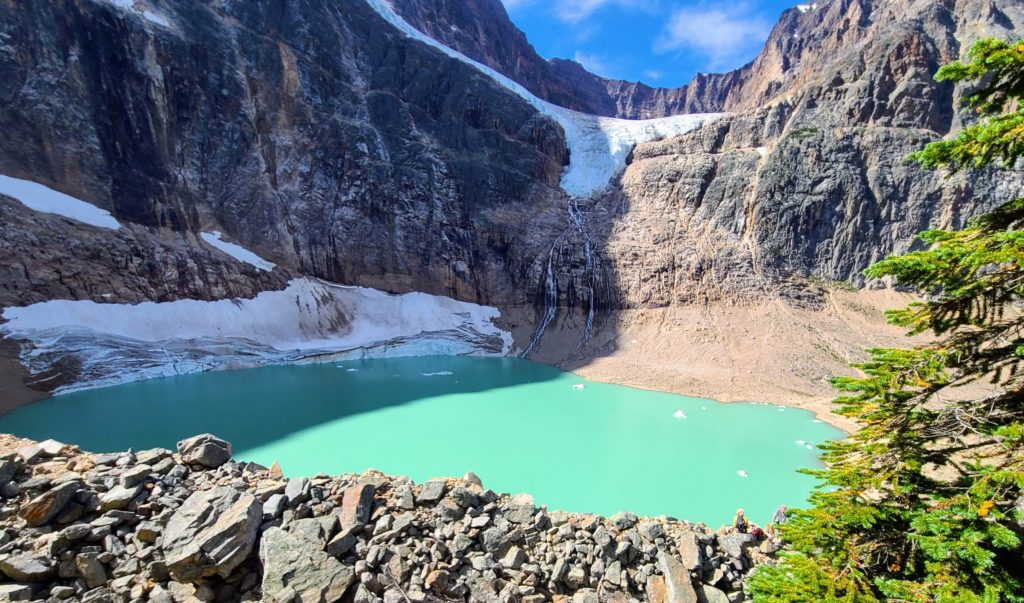
I loved Jasper National Park. Despite one of the days being very hot and smokey, I was able to do several amazing hikes (my favorite was the Edith Cavell Meadows Trail) and some great mountain bike riding. The impressive Athabasca Falls was near our campground too. Christine did the 1.5 hour Maligne Lake Boat Trip, which would have been much better without the heavy smoke that day, while I did a bike ride.

I’ve been getting more into biking trails, and the ride to Lower Fryatt Campground was perfect for my skill level. There were several groups of cyclists who overnighted there in a great little campground with a big pile of free firewood and an outhouse. This is the first time I’ve seen a backcountry campground specifically targeted to mountain bikers. Is this common? Quite cool!

The town of Jasper is very cute, and looks like it would be a nice place to live, despite the number of tourists.

The full set of photos for this week are here.

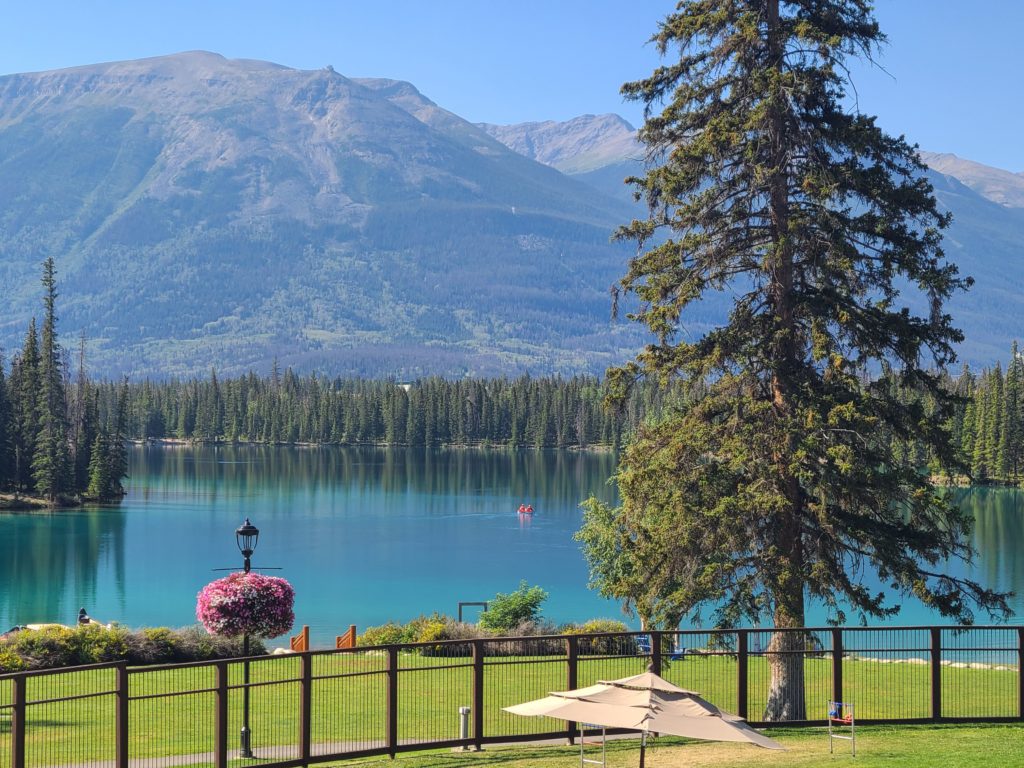
View from the Jasper Park Lodge (we had lunch here).
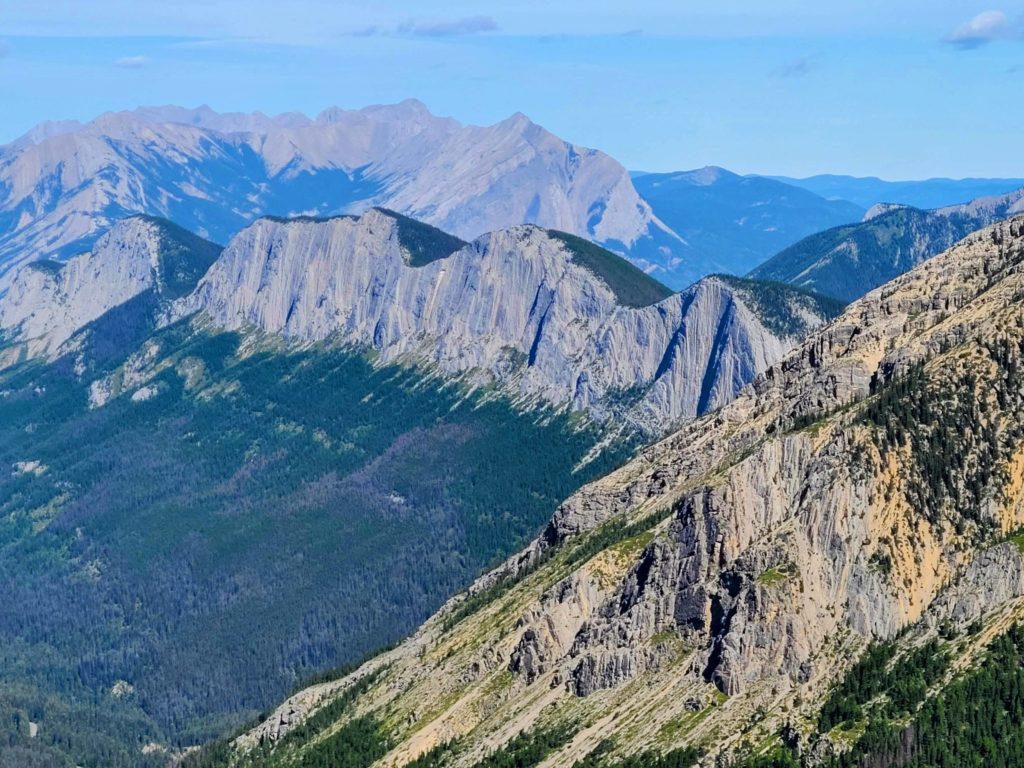
Views from Sulphur Skyline Trail
Posted by travel_b1p6zj, 0 comments

Week 15: Dawson City to Whitehorse to Hinton

Finally, it starts to feel like summer! A couple days over 80 degrees! Up until now we’ve only had a handful of days in the 70s, and nothing above 66 for about 5 weeks.

From Dawson City we drove on towards Whitehorse, the capital of the Yukon. The first night we boondocked next to Lenore Lake, and the next night we got an amazing camp site right on the lake at Lake Laberge, made famous by the Robert Service poem The Cremation of Sam Mcgee. The lake is huge (and actually part of the Yukon river), but it was totally calm the night we were there.

We passed through Whitehorse and didn’t find much that interested us, except the historic SS Klondike National Historic site, where Parks Canada has done a great job explaining the importance and challenges of the riverboats in this part of Canada before there were roads.

We stopped for a couple hours at Lairds River Hot Springs, which was quite nice. The campground was full, so we just camped along the river about 1 mile down the road from the springs. Christine had a hard time not collecting all the amazing rocks in the riverbed.

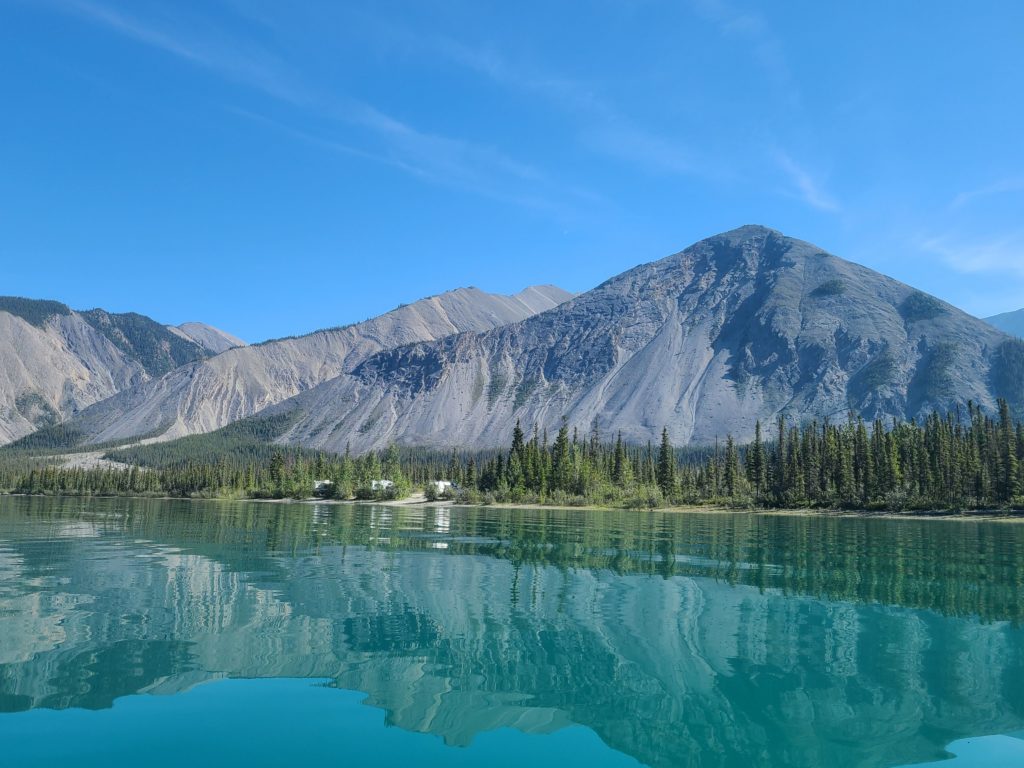
We next spent 2 days at MacDonald Campground on Mucho Lake. This is a fantastic no reservation campground where every spot has lake access. I did lots of kayaking on the lake and biked over the Stone Sheep Trail to see some really interesting rock formations.

Next on to Ft Nelson, where we decided to try the Canadian chain restaurant “Boston Pizza“, which has nothing to do with Boston (the pizza was OK, not great). Luckily our waitress let us know about a nasty accident which had caused a large bridge fire that closed the Alaska Highway to the south where we were headed. But they opened the road to cars and small RVs the next day, so it only delayed us a bit. It could have been much worse, as the only other road would have added about 30 hours of driving.

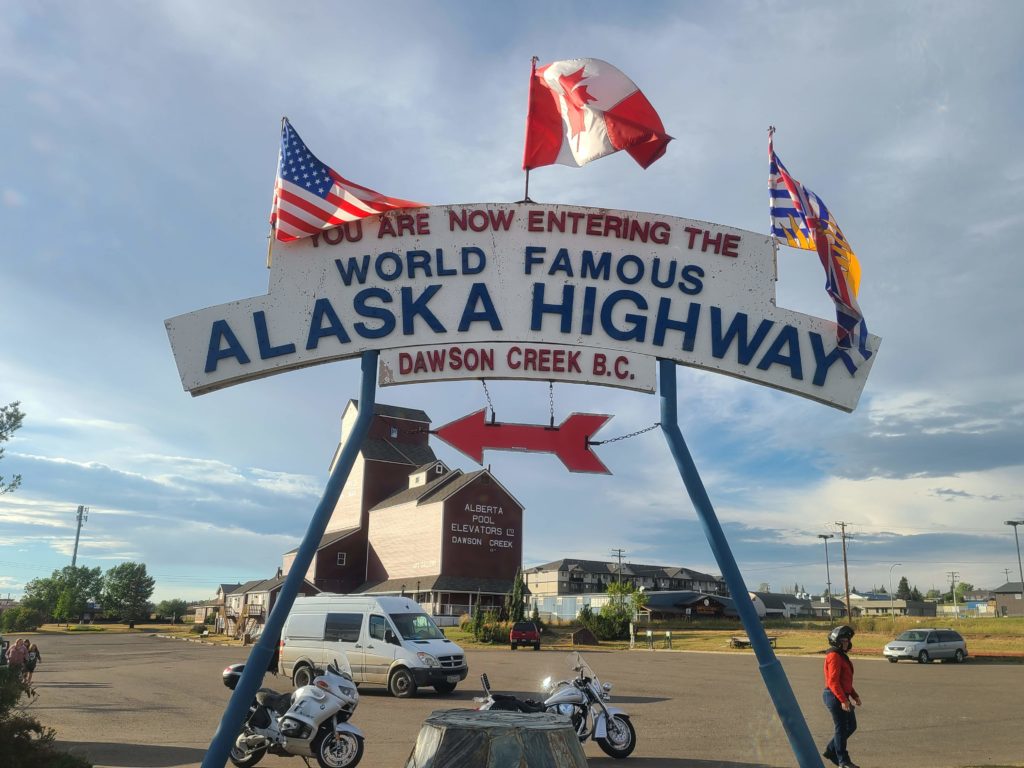
Next on to Dawson Creek, mile 0 of the Alaskan Highway. The town itself was quite unremarkable, but we did learn some interesting stuff about the building of the Alaska Highway. Check out this documentary if you want to learn for yourself.

We finally made it to our AirBNB in Hinton, just outside of Jasper National Park. We covered 1600 miles in 8 days, a record for us on this trip. Time to do laundry.

Full set of photos for the week are here.

Our campsite is the one on the right
We drove the most of the Alaska Highway. So much construction!
Waiting for them to inspect the bridge.
Posted by travel_b1p6zj, 0 comments

Week 14: Delta Junction, AK to Chicken, AK to Dawson City, YT

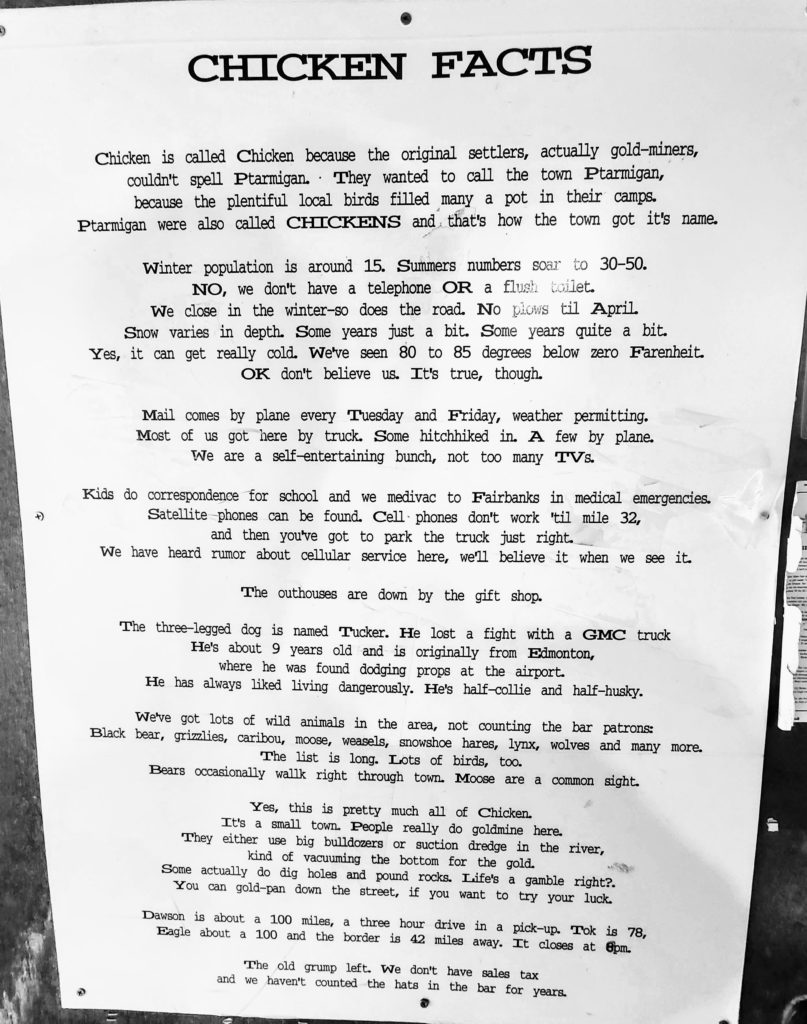
We had hoped to visit Chicken earlier in the trip to go to Chickenstock Music Festival, but unfortunately it sold out before I had a chance to get tickets. But Chicken is on the way to Dawson City, so we got a second chance. We spent the night in the ‘free camping’ area outside the Saloon, and met lots of interesting folks in the Saloon, mostly folks from other parts of Alaska passing through. Chicken was once a thriving gold town, but is now only about 40 people (in summer). See the photo below, which explains all.

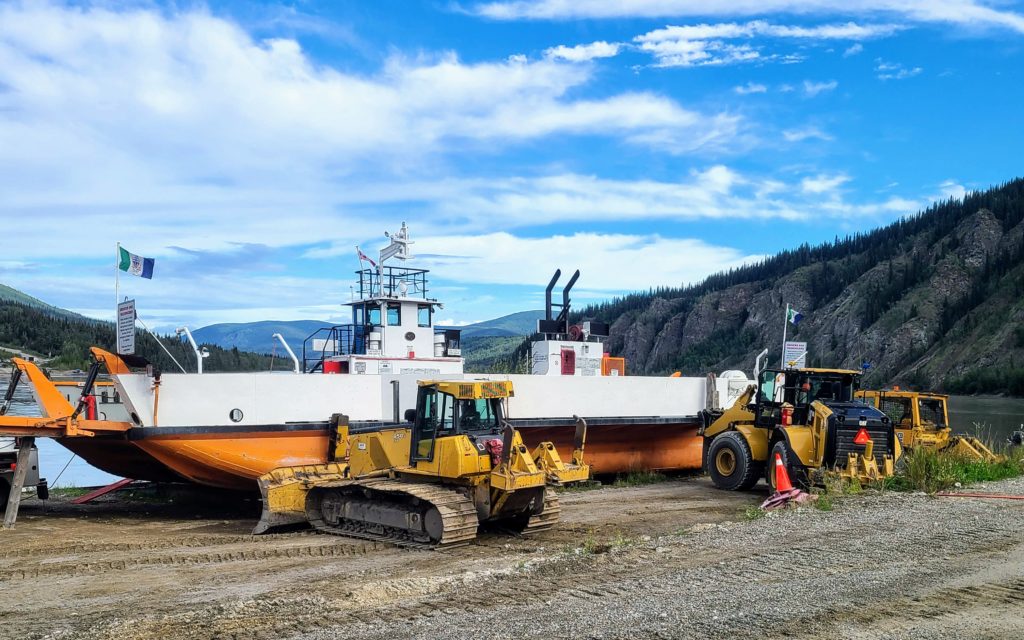
Then on to Dawson City via the top of the world highway, which was beautiful. The end of this road is supposed to be a 5 minute ferry ride across the Yukon River into Dawson City, but the ferry was out of the water to replace the propeller (see photo below). Luckily there was a nice campground near the ferry terminal, and they were running a ‘pedestrian ferry’ (a small fishing boat that held about 8 people), so we could still get into town. The ferry was back in the water by the time we were ready to move on, so we were not really impacted. The ferry runs all summer, and you can drive across the river in the winter. But spring/fall you are stuck on one side or the other, unless you fly.

Getting ready to put the ferry back in the river

The history of Dawson City is fascinating. The population went from 20 to 20000 to 2000 between 1895 and 1905, and it’s still about 2000 today. Parks Canada has done an excellent job preserving/restoring historic buildings, and runs a great walking tour of several of the buildings.

We happened to be in town for the annual ‘outhouse race’ in Dawson City. Only two teams entered this year, possibly because no one wanted to do the ‘poop the potato’ relay with a potato covered in chocolate fudge (I think it was chocolate…). But the event was really fun to watch.

This week’s photos are here.

Posted by travel_b1p6zj, 0 comments

Week 13: Anchorage to Delta Junction

After SalmonFest we headed for Anchorage for a couple nights in an AirBNB to do laundry and get a brake warning light on the Sprinter checked out (turned out it was just a bad sensor). On the way to Anchorage we stopped at the Alaska Wildlife Conservation Center for more bear watching. Not much to see or do in Anchorage, but we did check out a great dive bar called Darwin’s Theory, and we had steak and king crab at the nearby Club Paris, which claims to have the same menu since the 1950s when it opened.

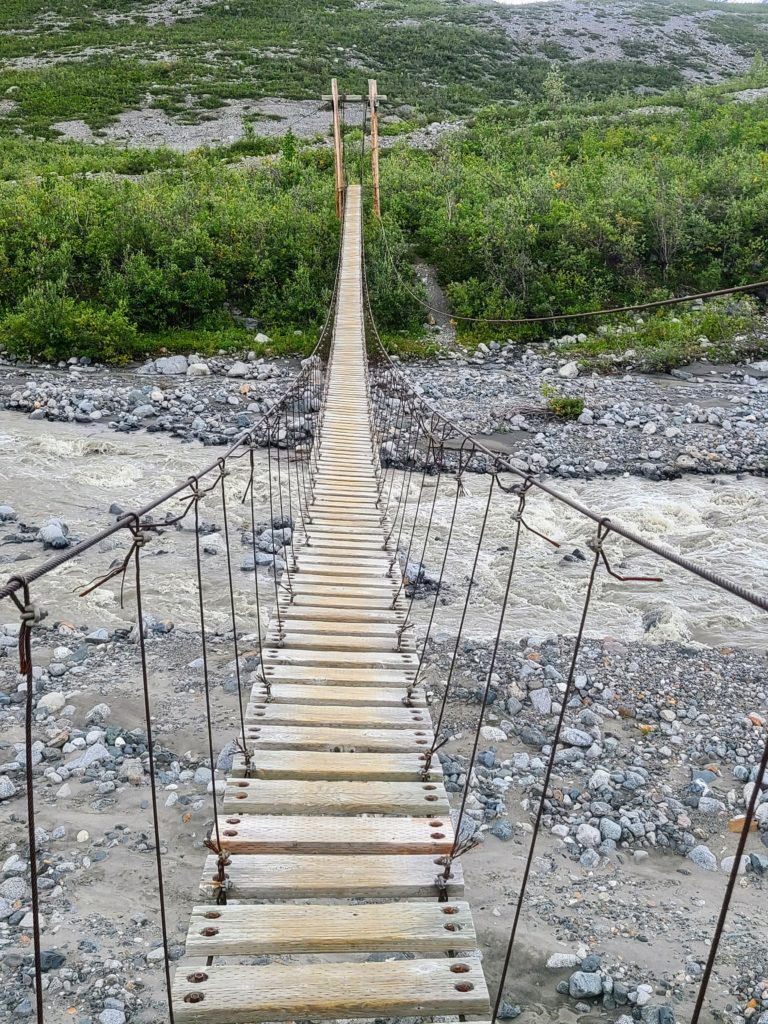
We then drove north, heading for a stretch of the Richardson Highway between Glenallen and Delta Junction, hoping to escape the daily rain near the ocean. We found lots of great campgrounds and boondocking spots along the way. We got a great spot near the lake at the mostly empty Paxson Lake BLM campground. We stayed in a large boondocking area with amazing views of the Gulkana Glacier and a hike to the glacier across a really scary suspension bridge. And, at the Lost Lake Trail Campground, outside of Delta Junction, we had the entire campground to ourselves! Good hiking and kayaking with flirtatious ducks, and amazing sunsets.

Full set of photos for the week are here.

Great free camping area
Fun bridge (NOT)
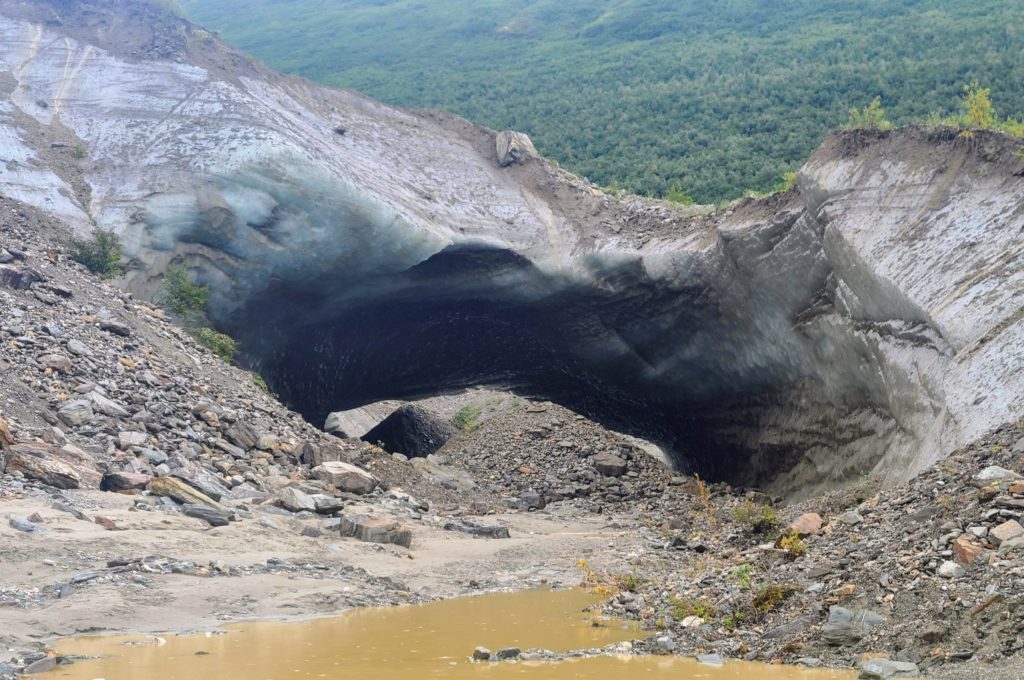
Castner Glacier Ice Cave

Posted by travel_b1p6zj, 0 comments

Week 12: SalmonFest

We scheduled our time in the Kenai peninsula around Salmonfest in Ninilchik, Alaska. Both of us volunteered to work the festival in exchange for free tickets. I helped with setup (mostly putting up fences and tents), and Christine did security (mostly helping with bag checks).

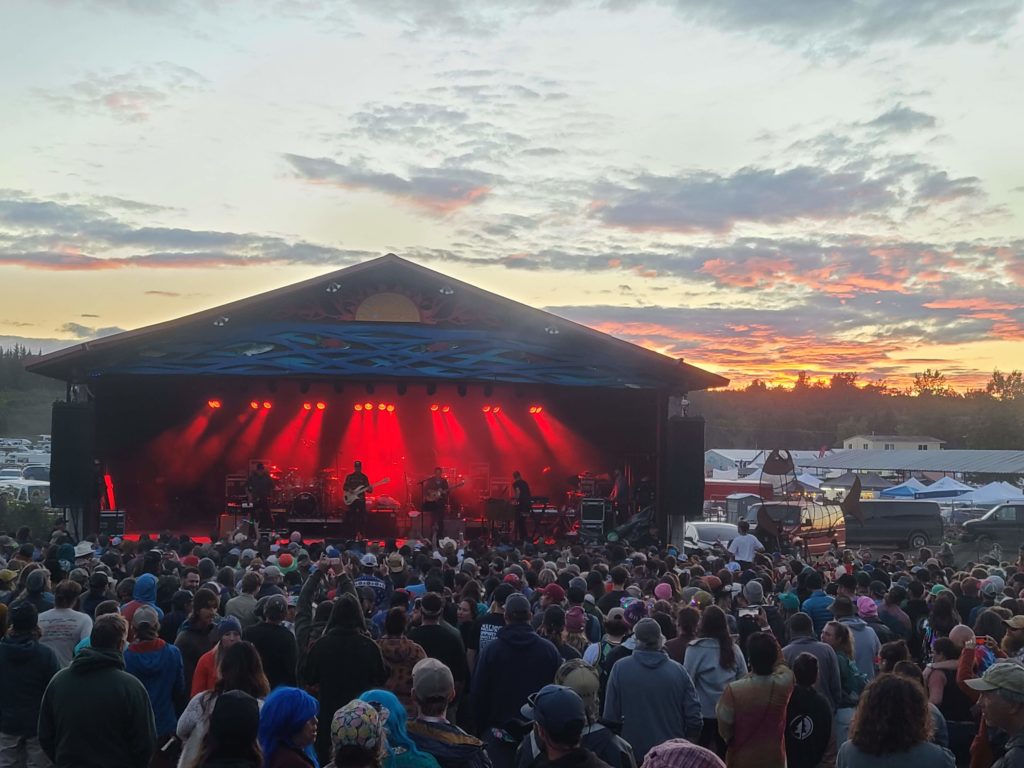
SalmonFest has 4 stages (1 big, 1 medium, and 2 small), and about 1/2 of the bands where from Alaska, and half from the lower 48 (mostly California). Most of the bands played 2 sets on different days. For the 3rd year in a row the fest ‘sold out’ at 8000 tickets. Highlights included great sets from the California Honeydrops and Diggin Dirt, and my favorite Alaska Bands were Hope Social Club and Blackwater Railroad Co. The highlight of the festival was Steve Poltz. Poltz played one set on the large stage that was just OK and a second, incredible set on the smallest stage. Steve said it was his “best set ever, so don’t bother seeing him again, as you’ll be disappointed”. But I imagine he always says that. 😉 Steve Poltz is most famous in Alaska for co-writing Jewel’s big 1995 hit You Were Meant For Me (Jewel is from Homer, Alaska). Check out their duet on that song from Salmonfest 2017 on the same small stage.

The main headers for the festival were Umphreys Magee and Shakey Graves. I tried to like Umphreys Magee, but just could not get into them. I found their songs unnecessarily complicated and with no ‘hook’. The biggest crowd at the festival was for Shakey Graves. I love his solo work, but with a band I find him less compelling, and most of his set was with a band.

Food at this festival was particularly good and very diverse. The lines to order food were never too long, but often it took 20-30 minutes for the food to arrive after ordering. Not good. It seems to rain 2 out of every 3 days in Kenai, but it only rained for 1 of the 3 festival days, so we beat the odds. The final day of the festival was about 50 degrees, 20 mph winds, and light rain, so most everyone left, including me after a couple hours.

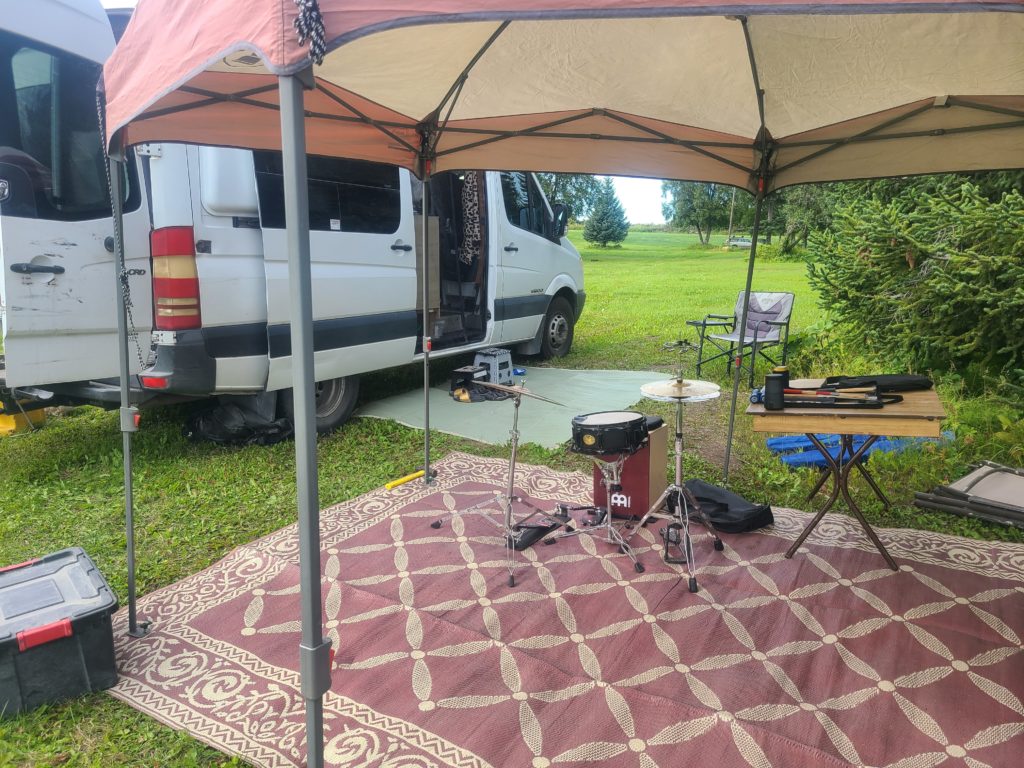
I brought a mini drum kit hoping there would be a good campground jam scene. I was able to tempt one guy (guitar/vocals) over to jam for an hour, but was otherwise unsuccessful. I asked several folks who had been to Salmonfest several times before if there was a campground jam scene, and they all said no. I think part of the reason is that the camping area is up on a hill, and windy most of the time, which made it hard to have a sheltered jam space.

But overall it was a really cool festival, and I would definitely go back if I was in the area (which is unlikely).

Photos and videos from the fest are here. We now begin our journey back to Grass Valley!

Main Stage, 11pm sunset
Ready to Jam
Posted by travel_b1p6zj, 0 comments

Week 11: Anchor Point and Homer

We spent four days relaxing on the beach near Anchor Point in a fabulous free camp area with incredible sunsets and views of the volcanoes across Cook Inlet. Anchor Point bills itself as “America’s most westerly highway point”.

Next on to Homer, where we spent two nights in a campground at the end of the ‘spit’ near the famous Salty Dawg Saloon, and three nights in an AirBNB next to the lake where many of Homer’s sea planes are based. It was good to get out of the van for a few days.

We did a lot in Homer, including taking a water taxi to Kachemak Bay State Park to hike to the Grewingk Glacier (Brian), a 2 hour nature tour by boat (Christine), the weekly farmers market, the Pratt Museum and their history walking tour, and the excellent Alaska Maritime National Wildlife Refuge visitor center.

The highlight of our stay in Homer was a day trip to Katmai National Park to see the Grizzly bears at Brooks Falls. Even though you can watch the bears anytime live on their webcam, we decided to splurge for a chance to see them in person. After a four hour weather delay, our six person sea plane made the bumpy two hour flight over to ‘Brooks Camp’, where Grizzlys are everywhere! Overall a very special day. After 2 months in Alaska, Christine still had not seen a bear, and I had only seen a few at a distance on my glacier trek. We sure made up for it today!

Check out the full set of photos of Anchor Point and Homer, and from Katmai National Park.

Brooks Falls Bear
Along the coast in Kechemak State Park
Grewingk Lake and Glacier
Posted by travel_b1p6zj, 0 comments

Week 10: Seward and Kenai Fjords National Park

It was another very rainy week in the Kenai, but we managed to do a few really cool activities between the rain. We visited the Alaska Sealife Center (definitely recommended), and did a 6 hour Kenai Fjords Boat Tour, where we saw Orcas going after sea lions. The boat trip was a bit long and expensive for what you get to see, but still glad we did it.

The camping options in Seward are pretty unusual. The city runs 5 back-to-back campgrounds with a total of over 300 sites along the waterfront, many with great views of the bay, for an outrageous $40/night for ‘dry camping (no hookups) and $55/night with hookups). This land was part of a huge railroad yard that was completely destroyed in the 1964 earthquake and tsunami, the most powerful earthquake recorded in North American history (magnitude 9.2), and the second most powerful earthquake recorded in world history. You can also park on the street near the Sealife center for free. There are free showers in the middle campground, but much nicer showers for $2 at the Harbormaster office. We paid for 3 nights along the water, but our 4th night in Seward we just did free parking on the street.

On both our first day and last day in Seward area, we had great meals and cocktails at the 50’s style Flamingo Lounge with it’s huge decanter collection. This restaurant would be right at home in San Francisco in terms of style and food quality. We also enjoyed hanging out and meeting locals at the Yukon Bar.

We drove down to the Lowell Point State Recreation Area a bit south of town, where I was able to take my folding kayak out on Resurrection Bay.

We also spent 3 nights just outside of Seward on the way to the Exit Glacier in a fantastic free camp spot along the river with beautiful views of the valley (when it was not fogged in, which was about half the time). This was a great base for doing the incredible Harding Ice Field Trail (my favorite hike so far in Alaska). I also hiked the Resurrection River Trail, which was beautiful until the thorny Devil’s Club plant took over the trail. Luckily there is no poison oak/ivy in Alaska, but you want to avoid brushing against Devil’s Club as well.

Photos albums for this week: Seward and Kenai Fjords Boat Trip and Harding Ice Field Trail.

View of Holgate Glacier from the Boat
Harding Ice Field
Free Camp area near Exit Glacier
Posted by travel_b1p6zj, 0 comments